

JLPT · Level 22
75 words
Search Japanese words as written, in romaji or by English meaning.
Dictionaries
Quick links
Browse
 MotiSpiOfficial conversation app

Japanese word
Romajioikakeru
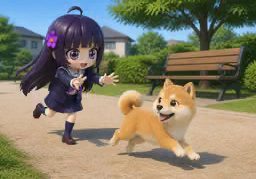
子どもが犬を追いかけます。ko do mo ga inu o o i ka ke ma su
The child chases the dog.
彼は子どものころから夢を追いかけています。kare wa ko do mo no ko ro ka ra yume o o i ka ke te i ma su
He has been pursuing his dream since he was a child.
It describes staying behind a moving target to catch up with it, and it also applies to goals that someone keeps seeking.
夢を追いかけるyume o o i ka ke ru
pursue a dream
犯人を追いかけるhan nin o o i ka ke ru
chase a criminal
後を追いかけるato o o i ka ke ru
chase after
追うou: To go after a person or animal in order to catch them.
追跡するtsuisekisuru: To trace the movements of a target in order to find or catch it.
追い求めるoimotomeru: To seek a desired goal or result over a long period.
人や物の後を追って行き、追いつこうとする。また、目標や夢などを実現しようとして求め続ける。hito ya mono no ato o o tte i ki o i tsu kō to su ru ma ta moku hyō ya yume na do o jitsu gen shi yō to shi te moto me tsuzu ke ru
The Japanese verb 追いかける (oikakeru) is built from the continuative form 追い (oi) of 追う (ō, "to chase") and 掛ける (kakeru), a verb used in compounds to express starting or directing an action.