

Japanese Conversation · Level 78
76 words
Search Japanese words as written, in romaji or by English meaning.
Dictionaries
Quick links
Browse
 MotiSpiOfficial conversation app

Japanese word
Romajimeiwaku
母に迷惑をかけません。haha ni mei waku o ka ke ma se n
I do not cause trouble for my mother.
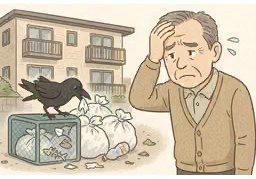
図書館では、ほかの人に迷惑をかけないように静かに話します。to sho kan de wa ho ka no hito ni mei waku o ka ke na i yō ni shizu ka ni hana shi ma su
In the library, I speak quietly so that I do not bother other people.
Refers to the social trouble that results when someone's behavior makes another person uncomfortable or inconvenienced.
迷惑をかけるmei waku o ka ke ru
cause trouble
迷惑になるmei waku ni na ru
be a nuisance
面倒mendō: A troublesome task or situation that requires extra time or effort.
厄介yakkai: A difficult person or situation that is hard to deal with.
他人に不便や不快を感じさせ、困らせること。また、そのために生じる負担。ta nin ni fu ben ya fu kai o kan ji sa se koma ra se ru ko to ma ta so no ta me ni shō ji ru fu tan
The Sino-Japanese word 迷惑 (meiwaku) uses 迷 (mei, "to lose one's way") and 惑 (waku, "to be confused") to form a term for confusion or trouble caused to others.