

Japanese Conversation · Level 114
60 words
Search Japanese words as written, in romaji or by English meaning.
Dictionaries
Quick links
Browse
 MotiSpiOfficial conversation app

Japanese word
Romajiomomuki
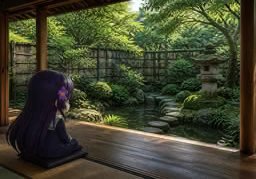
この庭には趣があります。ko no niwa ni wa omomuki ga a ri ma su
This garden has charm.
古い茶室には、現代の部屋にはない趣があります。furu i cha shitsu ni wa gen dai no heya ni wa na i omomuki ga a ri ma su
The old tearoom has a charm that modern rooms lack.
Describes the distinctive quality of a place, object, or experience that creates a pleasing mood and lasting appeal.
趣があるomomuki ga a ru
have charm
趣のある庭omomuki no a ru niwa
a charming garden
趣を添えるomomuki o so e ru
add charm
風情fuzei: A pleasing and often nostalgic quality found in a place or scene.
魅力miryoku: A quality that attracts people and makes a person, place, object, or experience appealing.
味わいajiwai: A distinctive quality that gives a place, object, or experience depth and appeal.
物事や場所などが備える、心を引きつける独特の味わいや雰囲気。mono goto ya ba sho na do ga sona e ru kokoro o hi ki tsu ke ru doku toku no aji wa i ya fun i ki
The native verb 趣く (omomuku, "to proceed toward") gives rise to 趣 (omomuki, "charm, character, atmosphere"); the noun expresses the distinctive quality that comes through in a place or thing.