

Japanese Conversation · Level 97
60 words
Search Japanese words as written, in romaji or by English meaning.
Dictionaries
Quick links
Browse
 MotiSpiOfficial conversation app

Japanese word
Romajinigiwau
週末は市場が賑わいます。shū matsu wa shi jō ga nigi wa i ma su
The market is bustling on weekends.
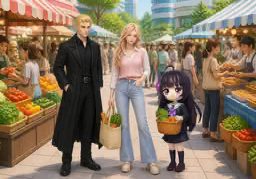
新しい店が増えて、駅前が賑わいました。atara shi i mise ga fu e te eki mae ga nigi wa i ma shi ta
As new shops opened, the area in front of the station became lively.
Describes a place becoming lively because many people gather and activity fills it.
人で賑わうhito de nigi wa u
bustle with people
観光客で賑わうkan kō kyaku de nigi wa u
bustle with tourists
祭りで賑わうmatsu ri de nigi wa u
bustle during a festival
活気づくkakkizuku: A place or group becomes lively and active.
盛り上がるmoriagaru: An event or atmosphere becomes more exciting and lively.
混み合うkomiau: A place becomes crowded with many people or things.
繁盛するhanjōsuru: A business attracts many customers and operates successfully.
人が多く集まり、活気に満ちた状態になる。hito ga ō ku atsu ma ri kak ki ni mi chi ta jō tai ni na ru
賑わう (nigiwau) is a native verb, not a compound formed from separately borrowed Chinese words; its recorded older form is 賑はふ (nigiwafu), while its deeper origin remains uncertain.