

Japanese Conversation · Level 92
60 words
Search Japanese words as written, in romaji or by English meaning.
Dictionaries
Quick links
Browse
 MotiSpiOfficial conversation app

Japanese word
Romajigōu
昨夜の豪雨で川が増水しました。saku ya no gō u de kawa ga zō sui shi ma shi ta
The river rose after the torrential rain last night.
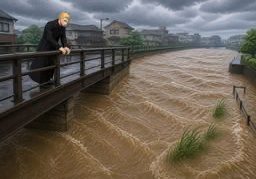
市は豪雨に備えて、避難所を開設しました。shi wa gō u ni sona e te hi nan sho o kai setsu shi ma shi ta
The city opened shelters in preparation for the torrential rain.
Refers to an intense mass of falling rain whose strength makes it more than ordinary wet weather.
豪雨に備えるgō u ni sona e ru
prepare for torrential rain
豪雨に見舞われるgō u ni mi ma wa re ru
be hit by torrential rain
豪雨の被害gō u no hi gai
damage from torrential rain
豪雨による浸水gō u ni yo ru shin sui
flooding caused by torrential rain
大雨ōame: Rain that falls in a large amount and may affect daily activities or cause flooding.
土砂降りdoshaburi: Rain that falls very heavily, often making outdoor movement difficult.
暴雨bōu: Extremely heavy rain that may cause flooding, landslides, or other damage.
強い勢いで大量に降り、河川の増水などを招く雨。tsuyo i ikio i de tai ryō ni fu ri ka sen no zō sui na do o mane ku ame
豪雨 (gōu) is a Sino-Japanese compound made from 豪 (gō, "great" or "powerful") and 雨 (u, "rain"), so its form conveys the idea of powerful rain.