

Japanese Conversation · Level 1
86 words
Search Japanese words as written, in romaji or by English meaning.
Dictionaries
Quick links
Browse
 MotiSpiOfficial conversation app

Japanese word
Romajizō
動物園で象を見ました。dō butsu en de zō o mi ma shi ta
I saw an elephant at the zoo.
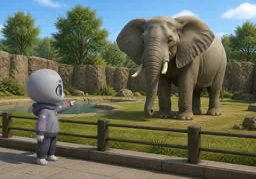
動物園で象を見ます。dō butsu en de zō o mi ma su
I see an elephant at the zoo.
野生の象は家族で暮らしています。ya sei no zō wa ka zoku de ku ra shi te i ma su
Wild elephants live with their families.
Centers on a huge land animal whose trunk, broad ears, and great strength make it instantly recognizable.
野生の象ya sei no zō
wild elephant
象の鼻zō no hana
elephant's trunk
象を保護するzō o ho go su ru
protect elephants
長い鼻と大きな耳を持つ、大型の陸上動物。naga i hana to ō ki na mimi o mo tsu ō gata no riku jō dō butsu
The word 象 (zō, "elephant") is a Sino-Japanese borrowing from the Chinese character 象, which is used for the same animal.