

JLPT · Level 99
45 words
Search Japanese words as written, in romaji or by English meaning.
Dictionaries
Quick links
Browse
 MotiSpiOfficial conversation app

Japanese word
Romajikanshū
試合を見ていた観衆が大きな声で応援しました。shi ai o mi te i ta kan shū ga ō ki na koe de ō en shi ma shi ta
The spectators watching the game cheered loudly.
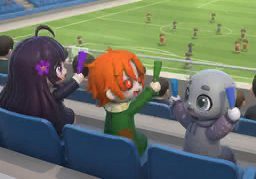
演奏が終わった後、観衆は静かに会場を後にしました。en sō ga o wa tta ato kan shū wa shizu ka ni kai jō o ato ni shi ma shi ta
After the performance ended, the audience quietly left the venue.
Describes a group of people gathered to watch an event, with attention on their role as viewers rather than participants.
観衆から拍手kan shū ka ra haku shu
applause from the audience
観衆の反応kan shū no han nō
the audience's reaction
観衆に訴えるkan shū ni utta e ru
appeal to the audience
観客kankyaku: People who watch an event for entertainment without participating in it.
聴衆chōshū: People gathered to listen to a speech, lecture, concert, or other presentation.
見物人kenbutsunin: People who watch something happening in public without joining in.
試合や催し物を見に集まった人々。shi ai ya moyō shi mono o mi ni atsu ma tta hito bito
観衆 (kanshū) combines 観 (kan, "view") and 衆 (shū, "group"), forming a word for a group that watches.