

Japanese Conversation · Level 36
90 words
Search Japanese words as written, in romaji or by English meaning.
Dictionaries
Quick links
Browse
 MotiSpiOfficial conversation app

Japanese word
Romajiomotemuki
表向きの理由は仕事です。omote mu ki no ri yū wa shi goto de su
The official reason is work.
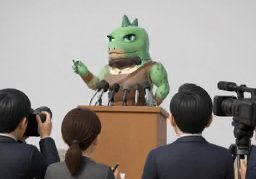
彼は表向きは賛成していますが、本当は反対です。kare wa omote mu ki wa san sei shi te i ma su ga hon tō wa han tai de su
He appears to support it, but he actually opposes it.
Refers to the public-facing status or explanation of something rather than its private or underlying reality.
表向きの理由omote mu ki no ri yū
official reason
表向きの目的omote mu ki no moku teki
ostensible purpose
表向きは順調omote mu ki wa jun chō
appear to be going smoothly
建前tatemae: The public position or stated reason presented in a social or formal setting.
名目meimoku: The stated purpose or formal label used to describe an arrangement.
内実とは別に、外部に示される公的な立場や事情。nai jitsu to wa betsu ni gai bu ni shime sa re ru kō teki na tachi ba ya ji jō
The Japanese compound 表向き (omotemuki) joins 表 (omote, "outside") with 向き (muki, "facing toward"), giving the sense of an outward or public presentation.