

Japanese Conversation · Level 47
90 words
Search Japanese words as written, in romaji or by English meaning.
Dictionaries
Quick links
Browse
 MotiSpiOfficial conversation app

Japanese word
Romajikōdō
子どもの行動を見ます。ko do mo no kō dō o mi ma su
I watch the child's behavior.
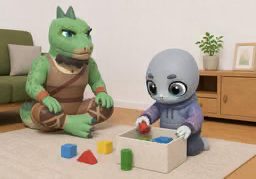
学校では、よい行動が大切です。gak kō de wa yo i kō dō ga tai setsu de su
Good behavior is important at school.
言葉だけでなく、行動で気持ちを示します。koto ba da ke de na ku kō dō de ki mo chi o shime shi ma su
We show our feelings through our actions, not just with words.
Describes the visible way a person responds or the act a person carries out in a situation.
行動を取るkō dō o to ru
take action
行動を起こすkō dō o o ko su
take action
行動に移すkō dō ni utsu su
put into action
行動を改めるkō dō o arata me ru
change one's behavior
振る舞いfurumai: The way a person behaves in a particular situation.
行為kōi: An act carried out by a person, often with a clear purpose.
動作dōsa: A physical movement or action made by a person.
人が実際に取る振る舞いや、目的をもって行う動き。hito ga jis sai ni to ru fu ru ma i ya moku teki o mo tte okona u ugo ki
行動 (kōdō) is a Sino-Japanese compound of 行 (kō, "going or doing") and 動 (dō, "movement"), combining the ideas of doing and moving.