

Japanese Conversation · Level 126
60 words
Search Japanese words as written, in romaji or by English meaning.
Dictionaries
Quick links
Browse
 MotiSpiOfficial conversation app

Japanese word
Romajigyōgi
弟は行儀がいいです。otōto wa gyō gi ga i i de su
My younger brother has good manners.
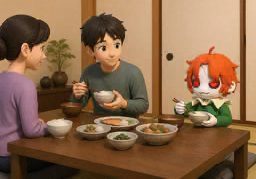
食事中は行儀よく座りましょう。shoku ji chū wa gyō gi yo ku suwa ri ma shō
Please sit properly during the meal.
Centers on conduct that shows whether someone follows the forms expected in social situations.
行儀がいいgyō gi ga i i
have good manners
行儀が悪いgyō gi ga waru i
have bad manners
行儀のよいgyō gi no yo i
well-mannered
礼儀reigi: Behavior that shows respect and politeness toward others.
振る舞いfurumai: The manner in which a person or animal acts in a given situation.
作法sahō: A set way of acting that is expected in a formal or social situation.
人前での振る舞いや、礼儀にかなった態度。hito mae de no fu ru ma i ya rei gi ni ka na tta tai do
行儀 (gyōgi) is a Sino-Japanese compound of 行 (gyō, "conduct") and 儀 (gi, "proper form"), both read with on-yomi readings.