

Japanese Conversation · Level 74
75 words
Search Japanese words as written, in romaji or by English meaning.
Dictionaries
Quick links
Browse
 MotiSpiOfficial conversation app

Japanese word
Romajijiga
彼は自我が強いです。kare wa ji ga ga tsuyo i de su
He has a strong ego.
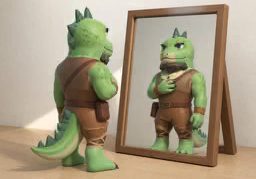
大きな成功を収めても、彼女は自我をむき出しにしません。ō ki na sei kō o osa me te mo kano jo wa ji ga o mu ki da shi ni shi ma se n
Even after achieving great success, she keeps her ego in check.
Refers to the awareness of oneself as a distinct person and the personal claims that arise from it.
自我に目覚めるji ga ni me za me ru
become aware of oneself
自我が芽生えるji ga ga me ba e ru
develop a sense of self
自我を抑えるji ga o osa e ru
restrain one's ego
自己意識jikoishiki: A person's awareness of their own identity, thoughts, and position in relation to others.
自意識jiishiki: Awareness of oneself that can involve concern about one's appearance or behavior.
エゴego: A person's sense of self, especially when it appears as excessive pride or self-importance.
自分自身を他者から区別して意識する心や、その意識に基づく自己主張。ji bun ji shin o ta sha ka ra ku betsu shi te i shiki su ru kokoro ya so no i shiki ni moto zu ku ji ko shu chō
The Sino-Japanese term combines 自 (ji, "self") and 我 (ga, "self"), forming a word for the self recognized as an individual.