

Japanese Conversation · Level 22
90 words
Search Japanese words as written, in romaji or by English meaning.
Dictionaries
Quick links
Browse
 MotiSpiOfficial conversation app

Japanese word
Romajijikoku
多くの若者が自国で働いています。ō ku no waka mono ga ji koku de hatara i te i ma su
Many young people work in their home country.
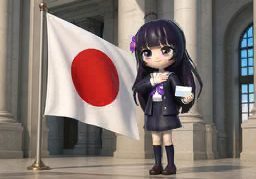
彼は自国の代表として会議に参加しました。kare wa ji koku no dai hyō to shi te kai gi ni san ka shi ma shi ta
He took part in the meeting as a representative of his home country.
Marks the country that a person identifies as their own and belongs to as a citizen.
自国の文化ji koku no bun ka
one's home country's culture
自国の言語ji koku no gen go
one's home country's language
自国の社会ji koku no sha kai
one's home country's society
自国への愛着ji koku e no ai chaku
attachment to one's home country
自国の代表ji koku no dai hyō
representative of one's home country
本国hongoku: The country to which a person belongs, especially when contrasted with a foreign country.
母国bokoku: The country linked to a person by birth or a strong sense of national identity.
祖国sokoku: The country regarded as one's homeland, often with a strong sense of national attachment.
話し手やその対象者が国民として属している国。hana shi te ya so no tai shō sha ga koku min to shi te zoku shi te i ru kuni
The noun 自国 (jikoku) combines 自 (ji, "self") and 国 (koku, "country"), using their Sino-Japanese readings to mean one's own country.