

Japanese Conversation · Level 105
60 words
Search Japanese words as written, in romaji or by English meaning.
Dictionaries
Quick links
Browse
 MotiSpiOfficial conversation app

Japanese word
Romajisomuku
彼は自分の信念に背きます。kare wa ji bun no shin nen ni somu ki ma su
He goes against his own beliefs.
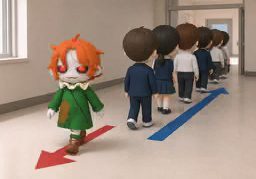
彼女は家族の期待に背いて、海外で働く道を選びました。kano jo wa ka zoku no ki tai ni somu i te kai gai de hatara ku michi o era bi ma shi ta
Against her family's expectations, she chose to work abroad.
Marks a deliberate move away from an expected path, whether that path comes from an authority, a rule, or one's own belief.
期待に背くki tai ni somu ku
defy expectations
法に背くhō ni somu ku
break the law
忠告に背くchū koku ni somu ku
ignore advice
伝統に背くden tō ni somu ku
go against tradition
自分の良心に背くji bun no ryō shin ni somu ku
go against one's conscience
逆らうsakarau: To resist a person's wishes or an authority's command.
反するhansuru: To be contrary to a rule, principle, expectation, or belief.
反抗するhankōsuru: To actively oppose pressure, control, or an attempt to change one's position.
違反するihansuru: To fail to follow a rule, law, or agreed requirement.
命令や規則、自分の信念などに反して行動すること。mei rei ya ki soku ji bun no shin nen na do ni han shi te kō dō su ru ko to
背く (somuku) is an old native Japanese verb meaning to turn away or oppose; the kanji 背 (se, "back") represents the image of turning one's back rather than providing the word's pronunciation.