

Japanese Conversation · Level 118
60 words
Search Japanese words as written, in romaji or by English meaning.
Dictionaries
Quick links
Browse
 MotiSpiOfficial conversation app

Japanese word
Romajitsugu
家業を継ぎます。ka gyō o tsu gi ma su
I will take over the family business.
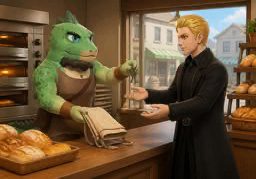
その王子は王位を継ぎました。so no ō ji wa ō i o tsu gi ma shi ta
The prince inherited the throne.
It describes keeping a family role, occupation, or responsibility going after the previous holder passes it on.
後を継ぐato o tsu gu
take over from someone
王位を継ぐō i o tsu gu
inherit the throne
家業を継ぐka gyō o tsu gu
take over a family business
引き継ぐhikitsugu: To assume a role, duty, or task from a predecessor and carry it on.
受け継ぐuketsugu: To receive a role, tradition, skill, or responsibility and carry it on.
継承するkeishōsuru: To formally take over a position, authority, or tradition from a predecessor.
先人が担っていた家業や役割を受け継いで、自分が担うこと。sen jin ga nina tte i ta ka gyō ya yaku wari o u ke tsu i de ji bun ga nina u ko to
継ぐ (tsugu) is a native Japanese verb, and its noun-like continuative form 継ぎ (tsugi) appears in compounds such as 継ぎ目 (tsugime, "seam"); this links the verb to carrying something onward.