

Japanese Conversation · Level 97
60 words
Search Japanese words as written, in romaji or by English meaning.
Dictionaries
Quick links
Browse
 MotiSpiOfficial conversation app

Japanese word
Romajitaeru
この村では昔の習慣が絶えました。ko no mura de wa mukashi no shū kan ga ta e ma shi ta
An old custom died out in this village.
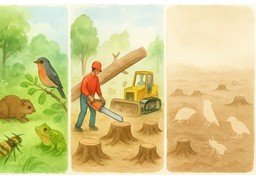
後継者がいなければ、この技術は絶えます。kō kei sha ga i na ke re ba ko no gi jutsu wa ta e ma su
Without a successor, this technique will die out.
Describes a custom, practice, or other continuing thing gradually disappearing until it no longer exists.
火が絶えるhi ga ta e ru
a fire goes out
廃れるsutareru: A custom or practice becomes less common and is no longer regularly followed.
途絶えるtodaeru: A continuing activity, supply, or connection stops and does not continue.
続いていた習慣や風習などが、次第になくなる。tsuzu i te i ta shū kan ya fū shū na do ga shi dai ni na ku na ru
絶える (taeru) is a native Japanese verb whose older form is たゆ (tayu), meaning "to weaken or cease"; the modern form expresses something coming to an end.