

JLPT · Level 96
45 words
Search Japanese words as written, in romaji or by English meaning.
Dictionaries
Quick links
Browse
 MotiSpiOfficial conversation app

Japanese word
Romajitaezu
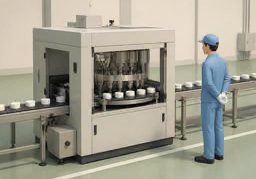
この機械は絶えず動いています。ko no ki kai wa ta e zu ugo i te i ma su
This machine is constantly running.
先生は生徒の安全を絶えず見守っています。sen sei wa sei to no an zen o ta e zu mi mamo tte i ma su
The teacher constantly watches over the students' safety.
Describes something that continues without stopping or interruption over time.
絶えず努力するta e zu do ryoku su ru
make constant efforts
絶えず変化するta e zu hen ka su ru
change constantly
絶えず注意を払うta e zu chū i o hara u
pay constant attention
常にtsuneni: It indicates that something remains true or continues throughout the relevant period.
間断なくkandannaku: It describes uninterrupted continuation with no gap in the process.
ひっきりなしにhikkirinashini: It indicates that an action occurs again and again with hardly any time between occurrences.
いつもitsumo: It indicates a regular state or action that occurs on every occasion.
絶えることなく、途切れずに続くさま。ta e ru ko to na ku to gi re zu ni tsuzu ku sa ma
It combines 絶える (taeru, "to cease") with the negative auxiliary ず (zu, "not"), so 絶えず (taezu) literally means "without ceasing."