

Japanese Conversation · Level 42
90 words
Search Japanese words as written, in romaji or by English meaning.
Dictionaries
Quick links
Browse
 MotiSpiOfficial conversation app

Japanese word
Romajikekkyoku
結局、電車で行きます。kek kyoku den sha de i ki ma su
In the end, I will go by train.
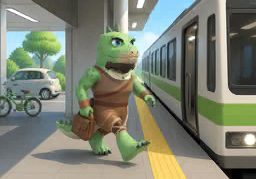
彼は結局来ませんでした。kare wa kek kyoku ki ma se n de shi ta
He did not come after all.
Shows that a final outcome emerges after events, choices, or discussions have run their course.
結局のところkek kyoku no to ko ro
in the end
最終的にsaishūtekini: Indicates the final result after a process or several events.
とうとうtōtō: Indicates that an expected result finally occurs after delay or difficulty.
結果的にkekkatekini: Indicates a result that follows from events, whether or not it was intended.
いろいろな経過をたどったあとで、最後にはある結果に落ち着くさま。i ro i ro na kei ka o ta do tta a to de sai go ni wa a ru kek ka ni o chi tsu ku sa ma
結局 (kekkyoku) is a Sino-Japanese compound of 結 (ketsu, "tie") and 局 (kyoku, "situation"), describing the situation reached when matters come together.