

Japanese Conversation · Level 108
60 words
Search Japanese words as written, in romaji or by English meaning.
Dictionaries
Quick links
Browse
 MotiSpiOfficial conversation app

Japanese word
Romajishūketsu
二国間の争いが終結しました。ni koku kan no araso i ga shū ketsu shi ma shi ta
The dispute between the two countries ended.
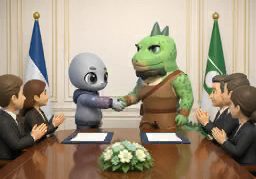
停戦によって戦闘の終結が実現しました。tei sen ni yo tte sen tō no shū ketsu ga jitsu gen shi ma shi ta
The ceasefire brought an end to the fighting.
Marks the point when a prolonged conflict or process comes to a complete and final end.
戦争の終結sen sō no shū ketsu
the end of the war
紛争の終結fun sō no shū ketsu
the end of the conflict
終了shūryō: The ending of an event, activity, or process.
決着ketchaku: A settled outcome that brings a dispute or unresolved matter to an end.
終わりowari: The point at which something stops or reaches its end in everyday language.
対立や争いなどが決着し、完全に終わること。tai ritsu ya araso i na do ga ket chaku shi kan zen ni o wa ru ko to
終結 (shūketsu) is formed from 終 (shū, "end") and 結 (ketsu, "tie"), so its parts suggest tying up a matter by bringing it to an end.