

Japanese Conversation · Level 56
75 words
Search Japanese words as written, in romaji or by English meaning.
Dictionaries
Quick links
Browse
 MotiSpiOfficial conversation app

Japanese word
Romajisomatsu
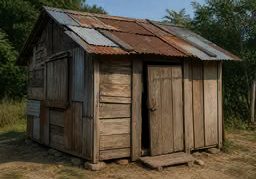
その小屋は粗末です。so no ko ya wa so matsu de su
That hut is shabby.
彼は粗末な服でも気にせず着ていました。kare wa so matsu na fuku de mo ki ni se zu ki te i ma shi ta
He wore shabby clothes without worrying about them.
Centers on a lack of quality or finish that makes an object seem simple, plain, or shabby.
粗末な建物so matsu na tate mono
a shabby building
粗末な食事so matsu na shoku ji
a meager meal
粗末な暮らしso matsu na ku ra shi
a humble lifestyle
粗悪soaku: Describes something that is inferior in quality because it is poorly made or finished.
質素shisso: Describes a plain way of living or an object with little luxury or decoration.
簡素kanso: Describes something made simple by using few parts or details.
粗雑sozatsu: Describes work or treatment done without care or precision.
材料や造りが簡単で、上等でないさま。zai ryō ya tsuku ri ga kan tan de jō tō de na i sa ma
粗末 (somatsu) is a Sino-Japanese compound of 粗 (so, "coarse") and 末 (matsu, "end or detail"); together, they suggest a result that is not carefully finished.