

Japanese Conversation · Level 127
60 words
Search Japanese words as written, in romaji or by English meaning.
Dictionaries
Quick links
Browse
 MotiSpiOfficial conversation app

Japanese word
Romajiho
秋には稲の穂が垂れます。aki ni wa ine no ho ga ta re ma su
The ears of the rice droop in autumn.
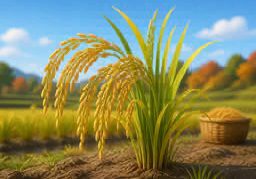
風が強いと、畑の穂が大きく揺れます。kaze ga tsuyo i to hatake no ho ga ō ki ku yu re ma su
When the wind is strong, the ears in the field sway greatly.
It refers to the part at the tip of a grass stem where flowers or grains gather into a single cluster.
穂が揺れるho ga yu re ru
the ears sway
穂をつけるho o tsu ke ru
bear ears
穂が重いho ga omo i
the ears are heavy
イネや麦などの茎の先に花や実が集まってつく部分。i ne ya mugi na do no kuki no saki ni hana ya jitsu ga atsu ma tte tsu ku bu bun
穂 (ho) is a native Japanese word inherited from older Japanese, but its deeper origin and internal word formation are uncertain.