

Japanese Conversation · Level 108
60 words
Search Japanese words as written, in romaji or by English meaning.
Dictionaries
Quick links
Browse
 MotiSpiOfficial conversation app

Japanese word
Romajikōka
プラスチックが硬化するまで待ちます。pu ra su chi kku ga kō ka su ru ma de ma chi ma su
Wait until the plastic hardens.
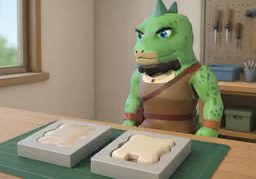
湿度が高いと、接着剤の硬化に時間がかかります。shitsu do ga taka i to set chaku zai no kō ka ni ji kan ga ka ka ri ma su
When the humidity is high, the adhesive takes longer to harden.
Expresses the process by which something loses softness and becomes firm or rigid.
硬化反応kō ka han nō
hardening reaction
硬化温度kō ka on do
hardening temperature
固化koka: The process in which a material becomes firm and keeps its new solid form.
凝固gyōko: The change of a liquid or soft substance into a solid through cooling or a chemical change.
硬直kōchoku: The state or process of becoming stiff, with little ability to move or bend.
物質や組織などが柔らかい状態から硬い状態に変わること。bus shitsu ya so shiki na do ga yawa ra ka i jō tai ka ra kata i jō tai ni ka wa ru ko to
硬化 (kōka) is formed from 硬 (kō, "hard") and 化 (ka, "change into"), describing the process of becoming hard.