

Japanese Conversation · Level 91
60 words
Search Japanese words as written, in romaji or by English meaning.
Dictionaries
Quick links
Browse
 MotiSpiOfficial conversation app

Japanese word
Romajiaitekata
相手方に確認してから返事します。ai te kata ni kaku nin shi te ka ra hen ji shi ma su
I will reply after checking with the other party.
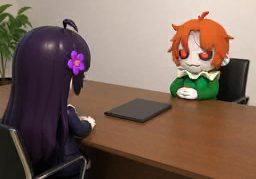
問題が解決しない場合は、相手方と話し合いの場を設けます。mon dai ga kai ketsu shi na i ba ai wa ai te kata to hana shi a i no ba o mō ke ma su
If the problem is not resolved, we will arrange a meeting with the other party.
Marks the counterpart regarded as the other side in a transaction, discussion, or relationship.
相手方に確認するai te kata ni kaku nin su ru
check with the other party
相手方に伝えるai te kata ni tsuta e ru
tell the other party
相手方と交渉するai te kata to kō shō su ru
negotiate with the other party
相手aite: The person or group involved on the other side of an interaction, competition, or relationship.
相手先aitesaki: The business, organization, or person contacted for a transaction or other business matter.
先方senpō: The person or organization on the other side of a formal communication or business matter.
取引や交渉などで自分と関わる相手の側。torihiki ya kō shō na do de ji bun to kaka wa ru ai te no gawa
The compound 相手方 (aitegata) consists of 相手 (aite, "the other party") and 方 (gata, "side"), presenting that party as a defined side.