

Japanese Conversation · Level 133
60 words
Search Japanese words as written, in romaji or by English meaning.
Dictionaries
Quick links
Browse
 MotiSpiOfficial conversation app

Japanese word
Romajikai
努力した甲斐がありました。do ryoku shi ta kai ga a ri ma shi ta
The effort was worth it.
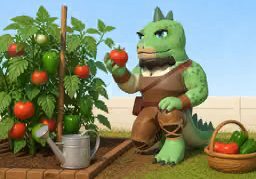
毎日練習した甲斐があって、発表で落ち着いて話せました。mai nichi ren shū shi ta kai ga a tte hap pyō de o chi tsu i te hana se ma shi ta
My daily practice paid off, and I was able to speak calmly at the presentation.
Describes the value or satisfying result that comes from an effort, action, or experience.
甲斐があるkai ga a ru
be worth it
努力した甲斐があるdo ryoku shi ta kai ga a ru
be worth the effort
苦労した甲斐があるku rō shi ta kai ga a ru
be worth the trouble
価値kachi: The importance or usefulness that makes something worth having or doing.
報いmukui: A reward or return that follows an effort or action.
努力や苦労をした結果として感じられる価値や効果。do ryoku ya ku rō o shi ta kek ka to shi te kan ji ra re ru ka chi ya kō ka
甲斐 (kai) is a conventional kanji spelling of the native Japanese word かい (kai), whose older form かひ (kahi) referred to value or result.