

Japanese Conversation · Level 116
60 words
Search Japanese words as written, in romaji or by English meaning.
Dictionaries
Quick links
Browse
 MotiSpiOfficial conversation app

Japanese word
Romajitokui
彼の考え方は特異です。kare no kanga e kata wa toku i de su
His way of thinking is peculiar.
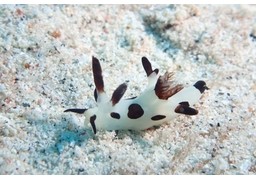
この地域の気候は周辺地域と比べて特異です。ko no chi iki no ki kō wa shū hen chi iki to kura be te toku i de su
The climate in this region is peculiar compared with that of the surrounding areas.
Presents a person, quality, or way of thinking as markedly different from the ordinary pattern.
特異な性質toku i na sei shitsu
peculiar nature
特異な現象toku i na gen shō
peculiar phenomenon
独特dokutoku: Distinctive to a particular person, place, or thing and not commonly found elsewhere.
特殊tokushu: Unusual because it has features or uses that are not common.
風変わりfūgawari: Unusual in a way that departs noticeably from common behavior, taste, or design.
一般的なものと著しく違い、際立った特徴を持つさま。ip pan teki na mo no to ichijiru shi ku chiga i kiwa da tta toku chō o mo tsu sa ma
特異 (tokui) is a Sino-Japanese compound of 特 (toku, "special") and 異 (i, "different"), referring to a notable difference from the norm.