

Japanese Conversation · Level 57
75 words
Search Japanese words as written, in romaji or by English meaning.
Dictionaries
Quick links
Browse
 MotiSpiOfficial conversation app

Japanese word
Romajiburei
彼は無礼な人です。kare wa bu rei na hito de su
He is a rude person.
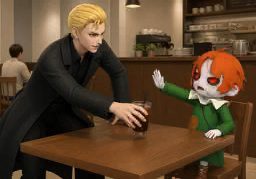
相手の話をさえぎるのは無礼です。ai te no hanashi o sa e gi ru no wa bu rei de su
Interrupting someone is rude.
無礼 (burei) centers on behavior that crosses a social boundary by showing too little respect for another person.
無礼な態度bu rei na tai do
rude attitude
無礼な言い方bu rei na i i kata
rude way of speaking
無礼な振る舞いbu rei na fu ru ma i
rude behavior
失礼shitsurei: Using words or actions that fail to show proper courtesy.
不作法fusahō: Failing to follow ordinary manners in dealing with others.
ぶしつけbushitsuke: Acting without enough care for another person's position or feelings.
非礼hirei: Displaying a serious breach of formal courtesy.
礼儀をわきまえず、相手に対する敬意を欠いた態度や言動である。rei gi o wa ki ma e zu ai te ni tai su ru kei i o ka i ta tai do ya gen dō de a ru
The Sino-Japanese word 無 (bu, "without") + 礼 (rei, "courtesy") describes conduct that lacks courtesy.