

Japanese Conversation · Level 77
76 words
Search Japanese words as written, in romaji or by English meaning.
Dictionaries
Quick links
Browse
 MotiSpiOfficial conversation app

Japanese word
Romajiman'in
電車は満員です。den sha wa man in de su
The train is full.
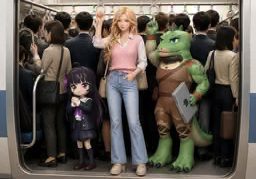
会場が満員になる前に、早めに席を取りました。kai jō ga man in ni na ru mae ni haya me ni seki o to ri ma shi ta
We got seats early, before the venue filled up.
Describes a place or vehicle in which all available capacity is occupied, leaving no room for more people.
満員になるman in ni na ru
become full
満員の電車man in no den sha
crowded train
満員の会場man in no kai jō
packed venue
満席manseki: Describes a place or vehicle with all its seats occupied.
満杯manpai: Describes a container, space, or vehicle filled to its capacity with people or things.
混雑konzatsu: Describes a crowded condition in which many people or things occupy a space.
人が定員いっぱいに入っていて、空きがないこと。hito ga tei in i ppa i ni hai tte i te a ki ga na i ko to
This Sino-Japanese compound combines 満 (man, "full") and 員 (in, "member or person"), giving the sense of a group filled to capacity.