

Japanese Conversation · Level 54
90 words
Search Japanese words as written, in romaji or by English meaning.
Dictionaries
Quick links
Browse
 MotiSpiOfficial conversation app

Japanese word
Romajiwatasu
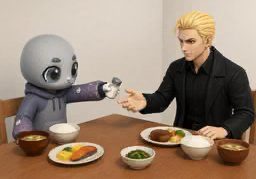
隣の人に塩を渡します。tonari no hito ni shio o wata shi ma su
I pass the salt to the person next to me.
これを先生に渡します。ko re o sen sei ni wata shi ma su
I will hand this to my teacher.
帰る前に、受付の人に書類を渡しました。kae ru mae ni uke tsuke no hito ni sho rui o wata shi ma shi ta
Before leaving, I handed the documents to the receptionist.
渡す (watasu) centers on moving something across a boundary or from one's control so that another person can receive it.
人に渡すhito ni wata su
hand ___ to someone
荷物を渡すni motsu o wata su
hand over luggage
現金を渡すgen kin o wata su
hand over cash
手渡すtewatasu: To give an object directly to another person by placing it in the person's hands.
差し出すsashidasu: To extend an object toward another person so that the person can take it.
回すmawasu: To move an object from one person to another in a group.
物を相手や別の場所へ移し、そこに届かせる。mono o ai te ya betsu no ba sho e utsu shi so ko ni todo ka se ru
As a native Japanese verb, 渡す (watasu) is the transitive counterpart of 渡る (wataru, "to cross"), expressing the act of making something reach the other side or another person.