

Japanese Conversation · Level 84
60 words
Search Japanese words as written, in romaji or by English meaning.
Dictionaries
Quick links
Browse
 MotiSpiOfficial conversation app

Japanese word
Romajikappatsu
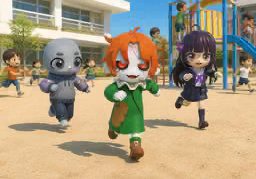
子どもたちは活発です。ko do mo ta chi wa kap patsu de su
The children are active.
授業では、学生同士の会話が活発です。ju gyō de wa gaku sei dō shi no kai wa ga kap patsu de su
The students have lively conversations with each other in class.
Refers to energy that is visibly expressed through frequent movement, vigorous participation, or lively activity.
活発な議論kap patsu na gi ron
active discussion
活発な意見交換kap patsu na i ken kō kan
active exchange of opinions
活発な会話kap patsu na kai wa
lively conversation
活動的katsudōteki: Describes a person or group that takes part in many activities with visible energy.
盛んsakan: Describes an activity, exchange, or field that is thriving and widely pursued.
行動的kōdōteki: Describes a person who is ready to act and responds through actual behavior.
精力的seiryokuteki: Describes a person who works on tasks or activities with strong, lasting energy.
行動や活動が盛んで、動きが多く勢いがあるさま。kō dō ya katsu dō ga saka n de ugo ki ga ō ku ikio i ga a ru sa ma
活発 (kappatsu) consists of 活 (katsu, "lively") and 発 (hatsu, "to issue or emerge"), and the compound denotes vigorous activity.