

Japanese Conversation · Level 34
90 words
Search Japanese words as written, in romaji or by English meaning.
Dictionaries
Quick links
Browse
 MotiSpiOfficial conversation app

Japanese word
Romajitsunami
津波が来る前に高い所へ逃げます。tsu nami ga ku ru mae ni taka i tokoro e ni ge ma su
I get to high ground before a tsunami comes.
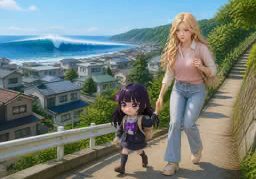
地域の人々と一緒に、津波の避難訓練に参加します。chi iki no hito bito to is sho ni tsu nami no hi nan kun ren ni san ka shi ma su
I take part in a tsunami evacuation drill with people in my community.
Describes a powerful series of ocean waves caused by a sudden movement of the seafloor or another large displacement of water.
津波が来るtsu nami ga ku ru
a tsunami comes
津波を警戒するtsu nami o kei kai su ru
be alert for a tsunami
津波から避難するtsu nami ka ra hi nan su ru
evacuate from a tsunami
津波に備えるtsu nami ni sona e ru
prepare for a tsunami
海嘯kaishō: A formal term for a series of large waves caused by a sudden movement under the sea.
海底の地震などによって海水が大きく動き、沿岸に押し寄せる大規模な波。kai tei no ji shin na do ni yo tte kai sui ga ō ki ku ugo ki en gan ni o shi yo se ru dai ki bo na nami
津波 (tsunami) combines 津 (tsu, "harbor") and 波 (nami, "wave"), referring to a wave that reaches a harbor.