

Japanese Conversation · Level 18
90 words
Search Japanese words as written, in romaji or by English meaning.
Dictionaries
Quick links
Browse
 MotiSpiOfficial conversation app

Japanese word
Romajinaku
子どもが泣きます。ko do mo ga na ki ma su
The child cries.
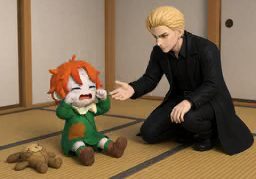
悲しいとき、泣きます。kana shi i to ki na ki ma su
I cry when I am sad.
弟は転んでも、すぐには泣きません。otōto wa koro n de mo su gu ni wa na ki ma se n
My younger brother does not cry right away even when he falls.
Refers to tears or a crying voice that express sadness, pain, or another strong feeling.
わんわん泣くwa n wa n na ku
cry loudly
しくしく泣くshi ku shi ku na ku
sob quietly
泣き出すnakidasu: To begin crying suddenly or after holding back tears.
悲しみや痛みなどを感じて、涙を流すことや泣き声を出すこと。kana shi mi ya ita mi na do o kan ji te namida o naga su ko to ya na ki goe o da su ko to
泣く (naku, "to cry") is a native Japanese word rather than a loanword; the form 泣き (naki) is its stem before many verb endings.