

Japanese Conversation · Level 82
60 words
Search Japanese words as written, in romaji or by English meaning.
Dictionaries
Quick links
Browse
 MotiSpiOfficial conversation app

Japanese word
Romajihikakuteki
今日は比較的暖かいです。kyō wa hi kaku teki atata ka i de su
It is relatively warm today.
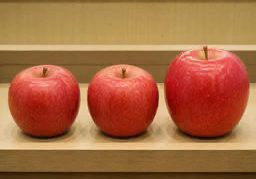
この店は比較的安いので、学生にも人気があります。ko no mise wa hi kaku teki yasu i no de gaku sei ni mo nin ki ga a ri ma su
This store is relatively inexpensive, so it is popular with students.
Places a quality on a relative scale by showing how it compares with similar things rather than stating its absolute degree.
比較的多いhi kaku teki ō i
relatively common
比較的少ないhi kaku teki suku na i
relatively few
比較的簡単hi kaku teki kan tan
relatively easy
比較的近いhi kaku teki chika i
relatively close
比較的安いhi kaku teki yasu i
relatively inexpensive
割にwarini: Shows that a quality reaches a fairly notable degree when viewed in relation to similar things.
割とwarito: Indicates a fairly high or low degree in a casual, conversational way.
他のものと比べて、ある性質や状態の程度がやや高い、またはやや低いさま。hoka no mo no to kura be te a ru sei shitsu ya jō tai no tei do ga ya ya taka i ma ta wa ya ya hiku i sa ma
The word 比較的 (hikakuteki) consists of 比 (hi, "compare"), 較 (kaku, "compare"), and 的 (teki, "related to"), forming an adverb that expresses comparison.