

Japanese Conversation · Level 118
60 words
Search Japanese words as written, in romaji or by English meaning.
Dictionaries
Quick links
Browse
 MotiSpiOfficial conversation app

Japanese word
Romajisaigetsu
歳月とともに町は変わりました。sai getsu to to mo ni machi wa ka wa ri ma shi ta
The town changed with the passing of time.
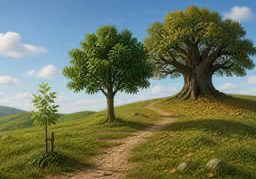
写真を見返すと、歳月の流れを感じます。sha shin o mi kae su to sai getsu no naga re o kan ji ma su
When I look back at the photos, I feel the passage of time.
It presents time as the years and months that steadily pass and bring change.
歳月が流れるsai getsu ga naga re ru
the years pass
歳月が経つsai getsu ga ta tsu
years go by
歳月を経てsai getsu o he te
after years have passed
歳月を重ねるsai getsu o kasa ne ru
spend many years
歳月を費やすsai getsu o tsui ya su
spend years
年月toshitsuki: The years and months that make up a period of time, especially in relation to history or change.
月日tsukihi: The passage of days and months, often referring to the time that has elapsed.
光陰kōin: Time as it passes, expressed in formal or literary language.
年や月が過ぎていく時間。nen ya tsuki ga su gi te i ku ji kan
歳月 (saigetsu) is a Sino-Japanese compound of 歳 (sai, "year") and 月 (getsu, "month"), literally meaning "years and months" and referring to passing time.