

Japanese Conversation · Level 107
60 words
Search Japanese words as written, in romaji or by English meaning.
Dictionaries
Quick links
Browse
 MotiSpiOfficial conversation app

Japanese word
Romajishōtai
彼の正体はまだ分かりません。kare no shō tai wa ma da wa ka ri ma se n
We still do not know his true identity.
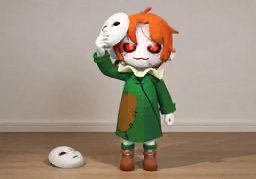
長年の調査で、事件の鍵を握る人物の正体が明らかになりました。naga nen no chō sa de ji ken no kagi o nigi ru jin butsu no shō tai ga aki ra ka ni na ri ma shi ta
After years of investigation, the identity of the person holding the key to the case became clear.
Points to the underlying reality that remains when a person's appearance or a thing's surface impression is set aside.
正体がばれるshō tai ga ba re ru
have one's true identity exposed
正体を現すshō tai o arawa su
reveal one's true nature
正体を突き止めるshō tai o tsu ki to me ru
discover someone's true identity
正体を隠すshō tai o kaku su
hide one's true identity
正体を明かすshō tai o a ka su
reveal one's true identity
身元mimoto: The identity and personal background of a person, especially when the person is unknown.
本性honshō: The inner character or natural disposition of a person, especially when it is hidden from others.
素性sosei: A person's origins, background, and past, considered when identifying the person.
本質honshitsu: The essential nature of a thing or issue beneath its surface features.
隠されていた人の本当の身分や、物事の本来の性質。kaku sa re te i ta hito no hon tō no mi bun ya mono goto no hon rai no sei shitsu
正体 (shōtai) is a Sino-Japanese compound of 正 (shō, "correct") and 体 (tai, "body or form"), expressing the idea of a proper or original form and later a hidden identity or true nature.