

Japanese Conversation · Level 119
60 words
Search Japanese words as written, in romaji or by English meaning.
Dictionaries
Quick links
Browse
 MotiSpiOfficial conversation app

Japanese word
Romajikanki
試合の後、観客は歓喜の声を上げました。shi ai no ato kan kyaku wa kan ki no koe o a ge ma shi ta
After the game, the audience cried out in delight.
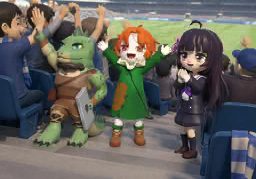
合格の知らせを聞き、彼は歓喜のあまり涙を流しました。gō kaku no shi ra se o ki ki kare wa kan ki no a ma ri namida o naga shi ma shi ta
He shed tears of joy upon hearing that he had passed.
Describes joy that becomes so intense that it fills a person or a crowd and breaks into outward celebration.
歓喜の声kan ki no koe
cries of joy
歓喜に沸くkan ki ni wa ku
be jubilant
歓喜を分かち合うkan ki o wa ka chi a u
share the joy
歓喜を表すkan ki o arawa su
express joy
歓喜に包まれるkan ki ni tsutsu ma re ru
be filled with joy
喜びyorokobi: A feeling of happiness or pleasure caused by something good.
大喜びōyorokobi: A state of great happiness shown in an excited way.
狂喜kyōki: A state of extreme joy that overwhelms ordinary restraint.
非常に強い喜びを感じること。hi jō ni tsuyo i yoroko bi o kan ji ru ko to
The Sino-Japanese noun 歓喜 (kanki, "joy") combines 歓 (kan, "delight") and 喜 (ki, "gladness"), with the two characters reinforcing the sense of intense joy.