

Japanese Conversation · Level 72
75 words
Search Japanese words as written, in romaji or by English meaning.
Dictionaries
Quick links
Browse
 MotiSpiOfficial conversation app

Japanese word
Romajihoshigaru
妹はその人形を欲しがっています。imōto wa so no nin gyō o ho shi ga tte i ma su
My sister seems to want that doll.
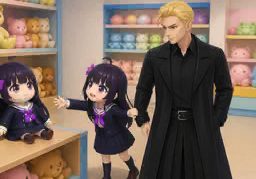
子どもは店で見たおもちゃを欲しがりました。ko do mo wa mise de mi ta o mo cha o ho shi ga ri ma shi ta
The child seemed to want the toy he saw at the store.
Presents a person's wish for something as an observable feeling that can be inferred from what they say or do.
おもちゃを欲しがるo mo cha o ho shi ga ru
seem to want a toy
何でも欲しがるnan de mo ho shi ga ru
seem to want everything
求めるmotomeru: To seek or ask for something that is wanted.
望むnozomu: To wish for something or hope that it will happen.
願うnegau: To wish strongly for something or hope for a particular result.
他人が物などを欲しいと思い、その気持ちを言葉や態度に表す。ta nin ga mono na do o ho shi i to omo i so no ki mo chi o koto ba ya tai do ni arawa su
欲しがる (hoshigaru) is a Japanese native formation from 欲しい (hoshii, "wanted") and the suffix がる (garu, "show signs of a feeling").