

Japanese Conversation · Level 132
60 words
Search Japanese words as written, in romaji or by English meaning.
Dictionaries
Quick links
Browse
 MotiSpiOfficial conversation app

Japanese word
Romajihari
古い家の梁は太いです。furu i ie no hari wa futo i de su
The beam in the old house is thick.
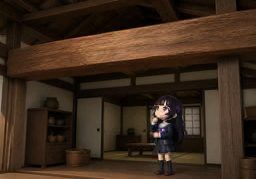
地震に備えて、梁を補強します。ji shin ni sona e te hari o ho kyō shi ma su
We reinforce the beams in preparation for earthquakes.
It denotes a long structural piece that bridges a gap and bears the load of a roof or floor.
梁を架けるhari o ka ke ru
install a beam
梁を補強するhari o ho kyō su ru
reinforce a beam
桁keta: A building member extends along the top of a wall and supports the ends of roof members.
建物の柱などの間に横に渡し、屋根や床を支える太い材木。tate mono no hashira na do no aida ni yoko ni wata shi ya ne ya yuka o sasa e ru futo i zai moku
The word はり (hari, "beam") is a native noun rather than a Sino-Japanese compound; 梁 (hari) is its established kanji spelling, originally referring to a beam or bridge.