

Japanese Conversation · Level 130
60 words
Search Japanese words as written, in romaji or by English meaning.
Dictionaries
Quick links
Browse
 MotiSpiOfficial conversation app

Japanese word
Romajimibōjin
彼女は夫を亡くして未亡人になりました。kano jo wa otto o na ku shi te mi bō jin ni na ri ma shi ta
She became a widow after her husband died.
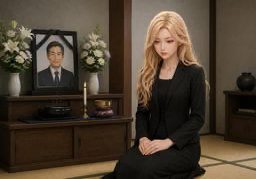
彼女は未亡人として二人の子どもを育てています。kano jo wa mi bō jin to shi te futa ri no ko do mo o soda te te i ma su
She is raising two children as a widow.
Refers to a woman whose husband has died and who remains unmarried, emphasizing her status after his death.
未亡人になるmi bō jin ni na ru
become a widow
未亡人としてmi bō jin to shi te
as a widow
寡婦kafu: A formal term for a woman whose husband has died and who has not remarried.
やもめyamome: A woman or man whose spouse has died.
後家goke: An old term for a woman whose husband has died and who has not remarried.
夫に死別し、再婚していない女性。otto ni shi betsu shi sai kon shi te i na i jo sei
未亡人 (mibōjin) is a Sino-Japanese term from a classical Chinese expression, combining 未 (mi, "not yet"), 亡 (bō, "die"), and 人 (jin, "person").