

Japanese Conversation · Level 117
60 words
Search Japanese words as written, in romaji or by English meaning.
Dictionaries
Quick links
Browse
 MotiSpiOfficial conversation app

Japanese word
Romajiyūkensha
多くの有権者が投票しました。ō ku no yū ken sha ga tō hyō shi ma shi ta
Many voters voted.
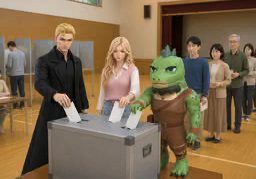
若い有権者も政治について学んでいます。waka i yū ken sha mo sei ji ni tsu i te mana n de i ma su
Young voters are also learning about politics.
Refers to a person entitled to vote, or to the body of such people considered together in an election.
有権者登録yū ken sha tō roku
voter registration
有権者の支持yū ken sha no shi ji
voter support
投票者tōhyōsha: A person who casts a vote in an election, whether or not voting is required.
選挙人senkyonin: A person entitled to vote in an election, especially in formal or legal language.
選挙で投票する権利を持つ人。また、そのような人々の全体。sen kyo de tō hyō su ru ken ri o mo tsu hito ma ta so no yō na hito bito no zen tai
The compound 有権者 (yūkensha, "voter") combines 有権 (yūken, "having a right") and 者 (sha, "person"), giving a term for a person or group with voting rights.