

JLPT · Level 121
15 words
Search Japanese words as written, in romaji or by English meaning.
Dictionaries
Quick links
Browse
 MotiSpiOfficial conversation app

Japanese word
Romajibōdō
都市で暴動が起きました。to shi de bō dō ga o ki ma shi ta
A riot broke out in the city.
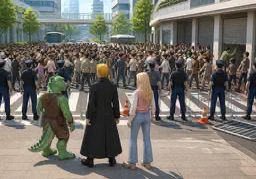
抗議活動は平和的に行われ、暴動には発展しませんでした。kō gi katsu dō wa hei wa teki ni okona wa re bō dō ni wa hat ten shi ma se n de shi ta
The protest was carried out peacefully and did not develop into a riot.
Centers on a crowd's forceful disruption of public order.
暴動が起きるbō dō ga o ki ru
a riot breaks out
暴動を起こすbō dō o o ko su
start a riot
暴動を鎮圧するbō dō o chin atsu su ru
suppress a riot
騒乱sōran: A violent disturbance of public order involving a large crowd.
騒擾sōjō: A serious public disturbance, often used in formal or legal language.
多くの人が集団で騒ぎを起こし、公共の秩序を乱すこと。ō ku no hito ga shū dan de sawa gi o o ko shi kō kyō no chitsu jo o mida su ko to
暴 (bō, "violence") + 動 (dō, "movement") form the Sino-Japanese compound 暴動 (bōdō), meaning a violent movement by a group.