

Japanese Conversation · Level 60
75 words
Search Japanese words as written, in romaji or by English meaning.
Dictionaries
Quick links
Browse
 MotiSpiOfficial conversation app

Japanese word
Romajijidaigeki
この時代劇はとても人気があります。ko no ji dai geki wa to te mo nin ki ga a ri ma su
This period drama is very popular.
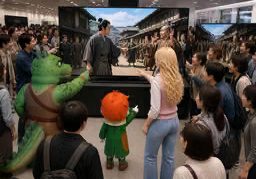
その俳優は時代劇で武士を演じています。so no hai yū wa ji dai geki de bu shi o en ji te i ma su
That actor plays a samurai in a period drama.
Presents a story through the values, settings, and conflicts that belong to a specific period in the past.
人気の時代劇nin ki no ji dai geki
popular period drama
時代劇に出演するji dai geki ni shutsu en su ru
appear in a period drama
時代劇の主人公ji dai geki no shu jin kō
period drama protagonist
歴史劇rekishigeki: A drama set in a past period and shaped by historical events, people, or social conditions.
時代物jidaibutsu: A work set in a traditional or premodern period, often using historical settings and customs.
歴史上の特定の時代を舞台にして、当時の社会や生活、人々の姿を描く劇や映像作品。reki shi jō no toku tei no ji dai o bu tai ni shi te tō ji no sha kai ya sei katsu hito bito no sugata o ega ku geki ya ei zō saku hin
時 (ji, "time") and 代 (dai, "era") make 時代 (jidai, "era"), while 劇 (geki, "drama") refers to a dramatic work; together they form 時代劇 (jidaigeki, "period drama").