

Japanese Conversation · Level 43
90 words
Search Japanese words as written, in romaji or by English meaning.
Dictionaries
Quick links
Browse
 MotiSpiOfficial conversation app

Japanese word
Romajisanzan
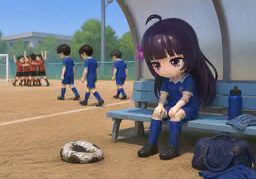
昨日の試合は散々でした。kinō no shi ai wa san zan de shi ta
Yesterday's game was terrible.
私は旅行先で散々な目に遭いました。watashi wa ryo kō saki de san zan na me ni a i ma shi ta
I had a terrible experience on my trip.
Shows that something has reached an extreme condition, often with a very bad result or an intense action.
散々な目に遭うsan zan na me ni a u
have a terrible experience
散々な結果san zan na kek ka
terrible result
最悪saiaku: Describes something as the worst or among the most unpleasant possible.
悲惨hisan: Describes a situation marked by great suffering, loss, or damage.
無残muzan: Describes a condition or result that is pitifully damaged or defeated.
物事がひどく悪い状態にあるさま。また、行為や程度が極端に及ぶさま。mono goto ga hi do ku waru i jō tai ni a ru sa ma ma ta kō i ya tei do ga kyoku tan ni oyo bu sa ma
散々 (sanzan, "terrible; thoroughly") is written with 散 (san, "scatter") twice, while the historical reason for this spelling is not certain.