

Japanese Conversation · Level 85
60 words
Search Japanese words as written, in romaji or by English meaning.
Dictionaries
Quick links
Browse
 MotiSpiOfficial conversation app

Japanese word
Romajihōchi
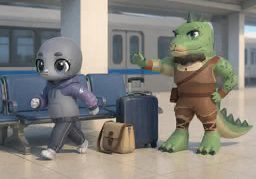
荷物を放置しないでください。ni motsu o hō chi shi na i de ku da sa i
Please do not leave your baggage unattended.
空き地に古い自転車が放置されています。a ki chi ni furu i ji ten sha ga hō chi sa re te i ma su
An old bicycle has been left unattended in the vacant lot.
Centers on allowing something to remain as it is instead of taking care of it or dealing with it.
問題を放置するmon dai o hō chi su ru
leave a problem unresolved
荷物を放置するni motsu o hō chi su ru
leave luggage unattended
自転車を放置するji ten sha o hō chi su ru
abandon a bicycle
ごみを放置するgo mi o hō chi su ru
leave garbage lying around
ほったらかしhottarakashi: A state in which a person or thing receives no care or attention.
置き去りokizari: Leaving a person or thing behind at a place without taking it along.
放任hōnin: Allowing a person or thing to remain without control, guidance, or care.
必要な手を加えず、物事をそのままの状態にしておくこと。hitsu yō na te o kuwa e zu mono goto o so no ma ma no jō tai ni shi te o ku ko to
放置 (hōchi, "leaving unattended") is formed from 放 (hō, "release") and 置 (chi, "place"), whose combination conveys leaving something in place without attention.