

JLPT · Level 102
45 words
Search Japanese words as written, in romaji or by English meaning.
Dictionaries
Quick links
Browse
 MotiSpiOfficial conversation app

Japanese word
Romajihanareru
犬が鎖から放れます。inu ga kusari ka ra hana re ma su
The dog gets loose from its chain.
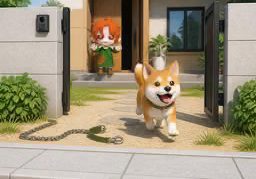
綱が切れて、馬が放れました。tsuna ga ki re te uma ga hana re ma shi ta
The horse got loose when the rope broke.
It describes something becoming free after the restraint holding it in place no longer keeps it attached.
鎖から放れるkusari ka ra hana re ru
get loose from a chain
離れるhanareru: To move away from a person or object so that contact or closeness ends.
逃げるnigeru: To go away from a place or person in order to avoid capture or control.
逃れるnogareru: To avoid being caught, blamed, or placed in a difficult situation.
つながれていたものが、つないでいたものから離れて自由になる。tsu na ga re te i ta mo no ga tsu na i de i ta mo no ka ra hana re te ji yū ni na ru
放れる (hanareru, "to get loose") is built from the native verb 放つ (hanatsu, "to release") and れる (reru), expressing a state in which the subject becomes free rather than releasing something else.