

Japanese Conversation · Level 105
60 words
Search Japanese words as written, in romaji or by English meaning.
Dictionaries
Quick links
Browse
 MotiSpiOfficial conversation app

Japanese word
Romajihaishutsu
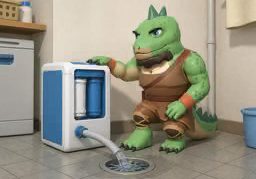
この装置で余分な水を排出します。ko no sō chi de yo bun na mizu o hai shutsu shi ma su
We discharge excess water with this device.
企業は温室効果ガスの排出を公表しています。ki gyō wa on shitsu kō ka ga su no hai shutsu o kō hyō shi te i ma su
Companies publish their greenhouse gas emissions.
Centers on the outward release of substances contained in a body, machine, or other source.
排出源hai shutsu minamoto
source of emissions
温室効果ガスの排出on shitsu kō ka ga su no hai shutsu
greenhouse gas emissions
排出を削減するhai shutsu o saku gen su ru
reduce emissions
放出hōshutsu: The movement of a substance out of a container, body, or other source into the surrounding area.
排気haiki: The outward removal of combustion gas or unwanted air from a machine or enclosed space.
排泄haisetsu: The process by which a living body gets rid of solid or liquid waste.
体内や装置内などにある物質を外部へ送り出すこと。tai nai ya sō chi nai na do ni a ru bus shitsu o gai bu e oku ri da su ko to
排出 (haishutsu) is a Sino-Japanese compound made from 排 (hai, "push away") and 出 (shutsu, "go out"), combining the ideas of pushing something out and leaving.