

Japanese Conversation · Level 47
90 words
Search Japanese words as written, in romaji or by English meaning.
Dictionaries
Quick links
Browse
 MotiSpiOfficial conversation app

Japanese word
Romajimochikomi
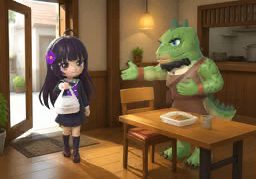
この店は食べ物の持ち込みができます。ko no mise wa ta be mono no mo chi ko mi ga de ki ma su
This restaurant allows you to bring your own food.
会議室への資料の持ち込みは一人五部までです。kai gi shitsu e no shi ryō no mo chi ko mi wa hito ri go bu ma de de su
You may bring up to five copies of the materials into the meeting room.
Refers to taking an item from outside into a place where bringing it in may be allowed, restricted, or prohibited.
持ち込み禁止mo chi ko mi kin shi
no outside items allowed
持ち込み可mo chi ko mi ka
outside items allowed
持ち込み料mo chi ko mi ryō
outside item fee
持参jisan: Taking an item along to a destination for use at that place.
店や施設などの外から、飲食物や荷物を持って入ること。mise ya shi setsu na do no soto ka ra in shoku butsu ya ni motsu o mo tte hai ru ko to
The noun 持ち込み (mochikomi, "bringing in") derives from 持ち込む (mochikomu, "to bring in"), formed from 持つ (motsu, "to hold or carry") and 込む (komu, "to enter or put into").