

JLPT · Level 169
15 words
Search Japanese words as written, in romaji or by English meaning.
Dictionaries
Quick links
Browse
 MotiSpiOfficial conversation app

Japanese word
Romajihaikei
拝啓、お問い合わせの件についてご連絡いたします。hai kei o to i a wa se no ken ni tsu i te go ren raku i ta shi ma su
Dear Sir or Madam, I am writing about your inquiry.
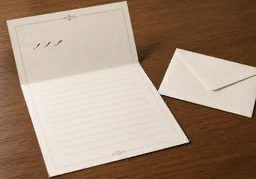
ビジネスレターでは、冒頭に拝啓と書き、最後に敬具を添えます。bi ji ne su re tā de wa bō tō ni hai kei to ka ki sai go ni kei gu o so e ma su
In a business letter, write Dear Sir or Madam at the beginning and add Sincerely at the end.
Marks the formal opening of a letter addressed respectfully to an unnamed recipient.
拝啓、hai kei
Dear Sir or Madam
謹啓kinkei: A formal letter opening that expresses humility toward the recipient.
拝復haifuku: A formal opening used when replying to a letter.
前略zenryaku: A letter opening that omits the usual greeting and moves directly to the main subject.
手紙の冒頭に記して、相手への敬意を表すあいさつの言葉。te gami no bō tō ni shiru shi te ai te e no kei i o arawa su a i sa tsu no koto ba
拝啓 (haikei) combines 拝 (hai, "worship") and 啓 (kei, "inform"), expressing respectful communication at the start of a letter.