

Japanese Conversation · Level 62
75 words
Search Japanese words as written, in romaji or by English meaning.
Dictionaries
Quick links
Browse
 MotiSpiOfficial conversation app

Japanese word
Romajitenuki
私の父は仕事で手抜きをしません。watashi no chichi wa shi goto de te nu ki o shi ma se n
My father does not cut corners at work.
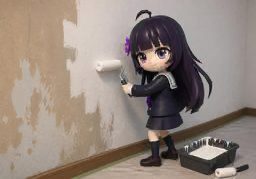
急いでいても、作業で手抜きをしてはいけません。iso i de i te mo sa gyō de te nu ki o shi te wa i ke ma se n
Even when you are in a hurry, you must not cut corners in your work.
Expresses the withdrawal of care or effort from a task, leaving necessary work incomplete or below standard.
手抜きをするte nu ki o su ru
cut corners
手抜き工事te nu ki kō ji
shoddy construction
怠慢taiman: Refers to failing to give a duty the care or effort it requires.
省略shōryaku: Refers to leaving out part of a task or process, whether or not the omission causes a problem.
横着ōchaku: Refers to avoiding effort by choosing an easier way of doing something.
手落ちteochi: Refers to an omission or oversight that leaves work incomplete or causes a defect.
手間を惜しんで必要な作業を省き、仕上がりを不十分にすること。te ma o o shi n de hitsu yō na sa gyō o habu ki shi a ga ri o fu jū bun ni su ru ko to
手抜き (tenuki) is the noun form of 手を抜く (te o nuku), combining 手 (te, "hand") with 抜く (nuku, "pull out") to suggest taking one's hand away from a task.