

Japanese Conversation · Level 70
75 words
Search Japanese words as written, in romaji or by English meaning.
Dictionaries
Quick links
Browse
 MotiSpiOfficial conversation app

Japanese word
Romajiware
古い物語の王は、自分のことを我と言います。furu i monogatari no ō wa ji bun no ko to o ware to i i ma su
In old stories, a king refers to himself as 'I'.
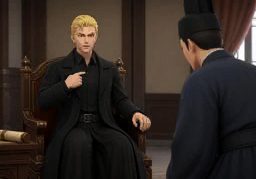
劇の中で、我はみんなを守ると宣言しました。geki no naka de ware wa mi n na o mamo ru to sen gen shi ma shi ta
In the play, I declared that I would protect everyone.
Marks the speaker as the individual self involved in the situation, so the word can represent either the one who acts or the one affected.
我に任せるware ni maka se ru
leave it to me
私watashi: A speaker uses this first-person pronoun in a wide range of neutral and formal settings.
僕boku: A male speaker uses this first-person pronoun in familiar speech with a mild sense of politeness.
俺ore: A male speaker uses this first-person pronoun to sound casual and direct.
話し手である自分を表す一人称の代名詞で、「私」または「私を」の意味を持つ語。hana shi te de a ru ji bun o arawa su ichi nin shō no dai mei shi de watashi ma ta wa watashi o no i mi o mo tsu go
The Japanese pronoun 我 (ware, "self") is a native word of old origin, and the Chinese-derived character used to write it carries the meaning "self".