

Japanese Conversation · Level 70
75 words
Search Japanese words as written, in romaji or by English meaning.
Dictionaries
Quick links
Browse
 MotiSpiOfficial conversation app

Japanese word
Romajiawateru
人前では慌てます。hito mae de wa awa te ma su
I get flustered in front of people.
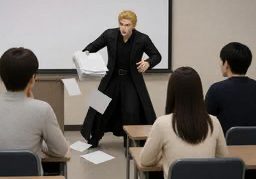
急な質問にも、慌てずに答えます。kyū na shitsu mon ni mo awa te zu ni kota e ma su
I answer unexpected questions without getting flustered.
Describes losing calm and reacting in a hurried or confused way when a situation feels sudden or difficult.
慌てて走り出すawa te te hashi ri da su
run off in a panic
慌てずに答えるawa te zu ni kota e ru
answer calmly
慌てて決めるawa te te ki me ru
decide in a panic
うろたえるurotaeru: To become confused and unsure of what to do in an unexpected situation.
取り乱すtorimidasu: To become so upset that calm behavior and clear thinking are lost.
焦るaseru: To feel that time or circumstances are pressing and become impatient.
突然のことなどに心が落ち着かず、急いだり判断を誤ったりする。totsu zen no ko to na do ni kokoro ga o chi tsu ka zu iso i da ri han dan o ayama tta ri su ru
慌てる (awateru) is a native Japanese verb that developed from 慌つ (awatsu, "to be flustered and hurry") as historical verb forms changed.