

Japanese Conversation · Level 75
75 words
Search Japanese words as written, in romaji or by English meaning.
Dictionaries
Quick links
Browse
 MotiSpiOfficial conversation app

Japanese word
Romajikanshin
その絵には感心しました。so no e ni wa kan shin shi ma shi ta
I was impressed by that painting.
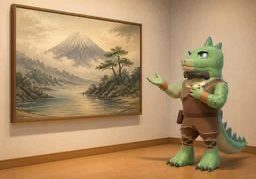
彼の丁寧な仕事ぶりには、本当に感心しました。kare no tei nei na shi goto bu ri ni wa hon tō ni kan shin shi ma shi ta
I was truly impressed by his careful work.
Describes recognizing excellence in someone or something and feeling respect because of it.
仕事ぶりに感心するshi goto bu ri ni kan shin su ru
be impressed by someone's work
感動kandō: A powerful feeling caused by something beautiful, meaningful, or emotionally moving.
尊敬sonkei: A feeling of high regard for a person because of their character, abilities, or conduct.
人や物事の優れた点を認め、立派だと心を動かされること。hito ya mono goto no sugu re ta ten o mito me rip pa da to kokoro o ugo ka sa re ru ko to
感心 (kanshin) combines 感 (kan, "feel") and 心 (shin, "heart or mind"), forming a Sino-Japanese compound about the heart being moved by excellence.